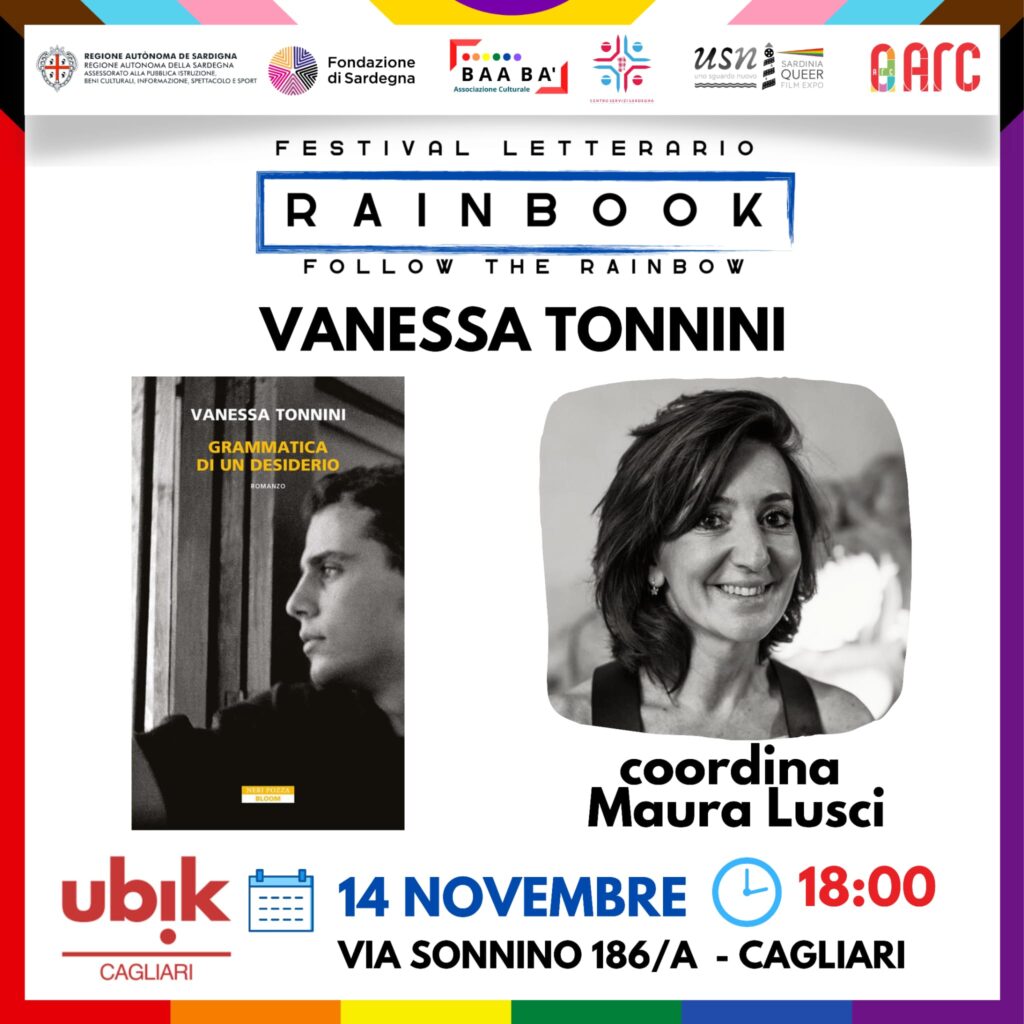
Friday, 14 November 2025, Ubik Bookshop, Via Sonnino 186/a, Cagliari.
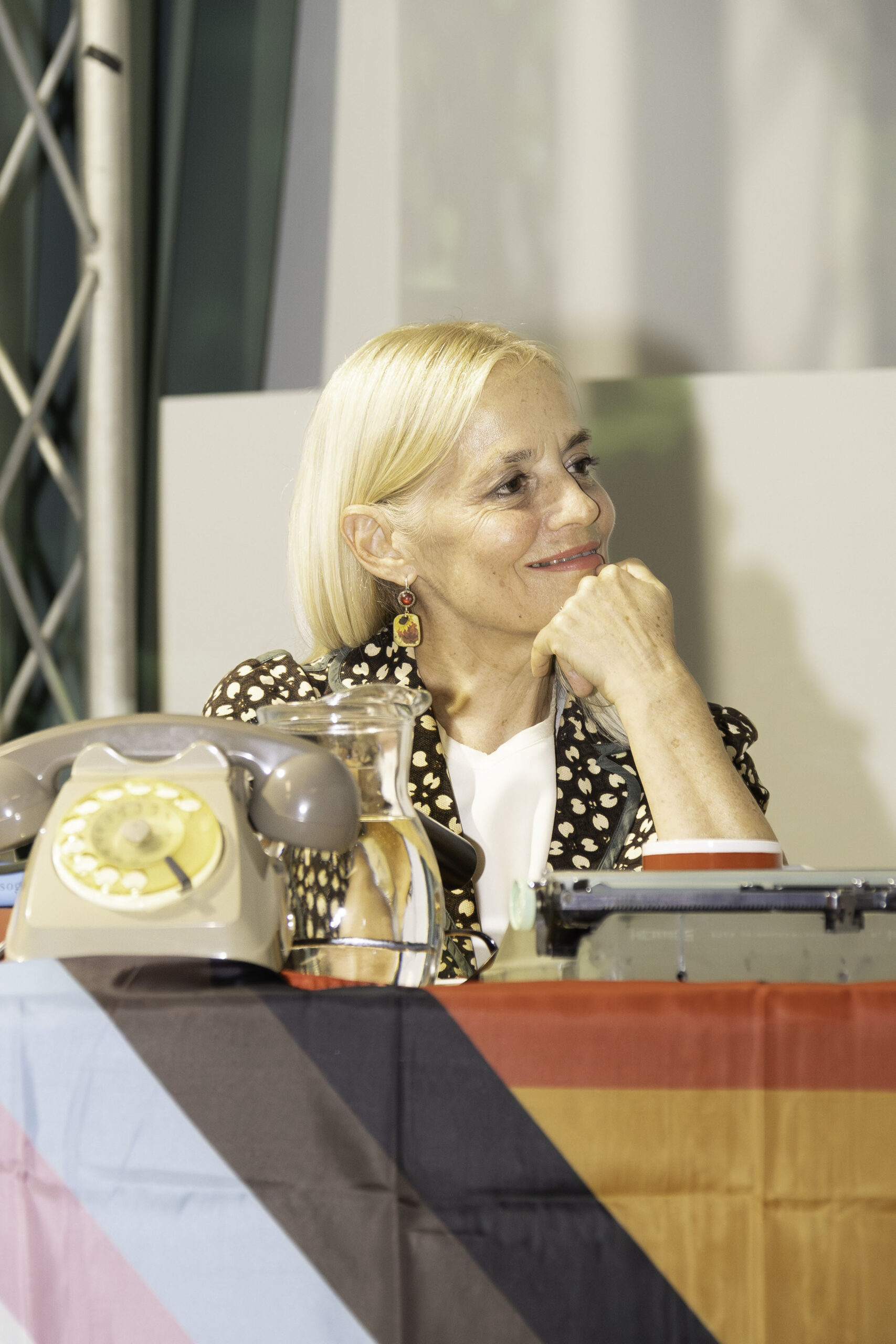
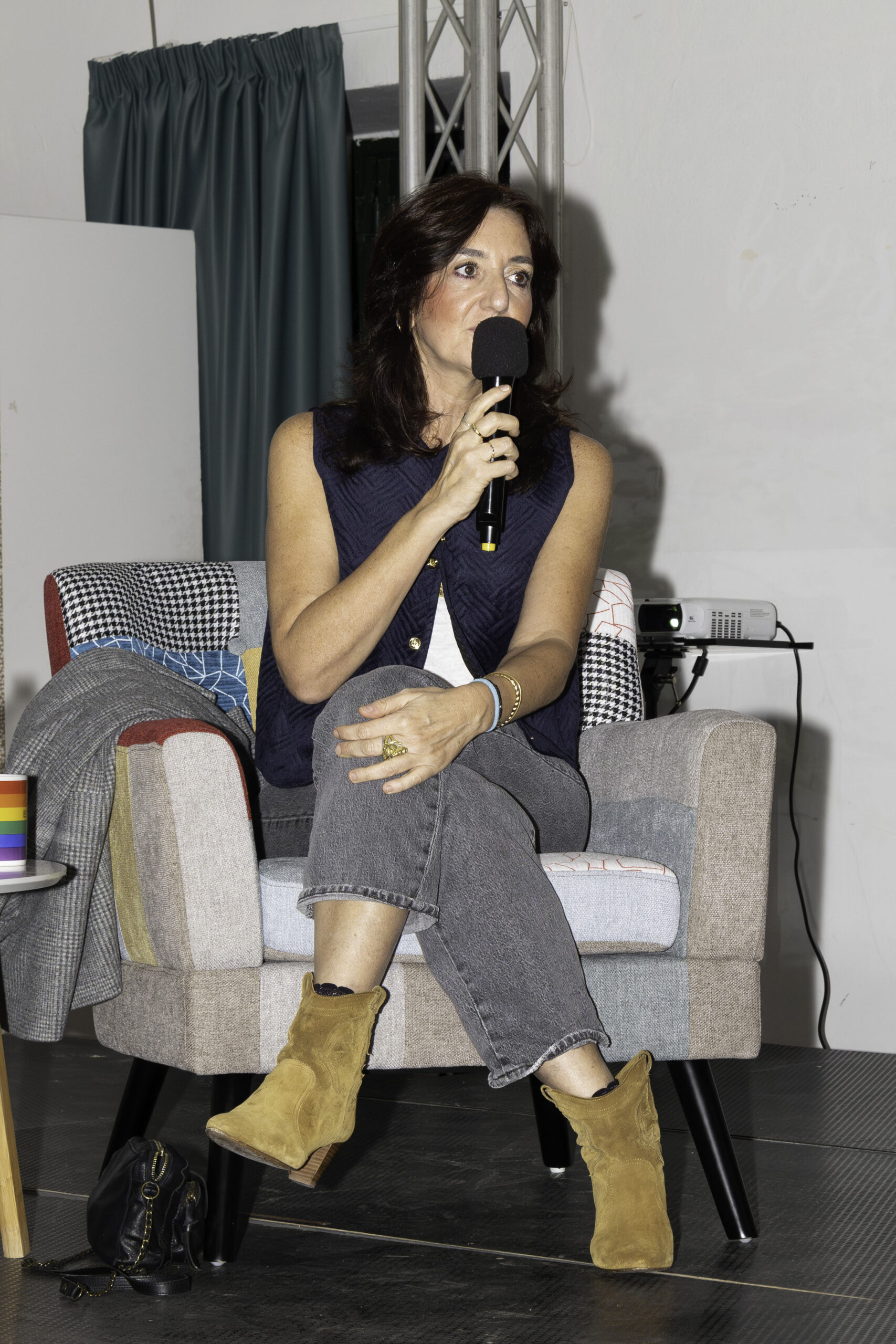
Moderator: Maura Lusci
Friday, October 27, 2024, Falzarego 35 library pole, Cagliari
Moderator: Pina Doi
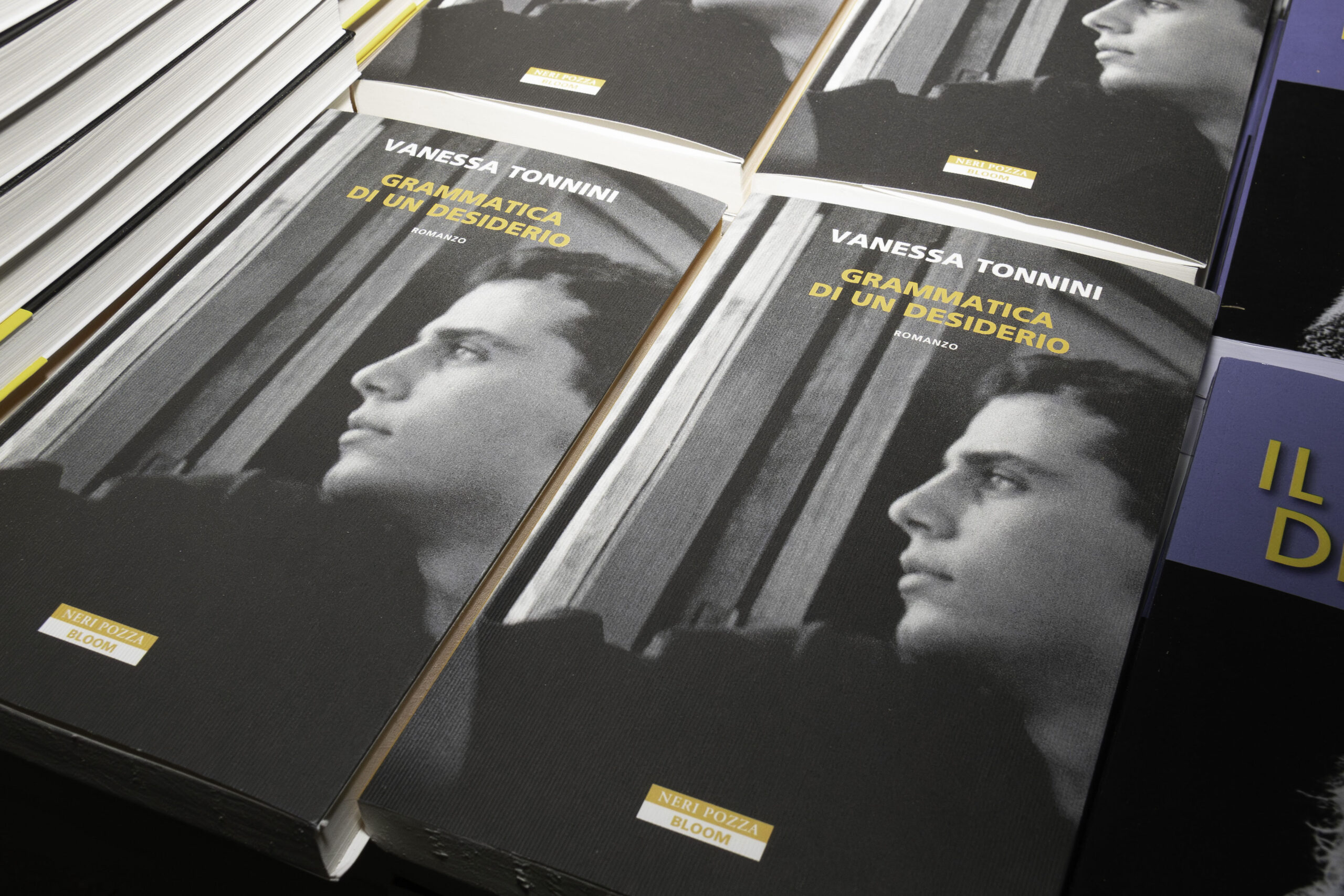
Grammatica di un desiderio
Of
Vanessa Tonnini
Genre fiction
Pages: 224
Read the description
How does one grow up if one has no words to tell the world, one’s thoughts and desires? Nicaredda was born into a family of six children, his father dead in the mines and his mother suffocated by duties and hunger. He was taught only the few words he needed to survive, and in the early years of his life, he felt no need to know any more. When he is sent to the solfatara, however, everything changes for him. The new life is made of darkness, breathtakingly narrow tunnels and fear. It is also made up of bodies, of boys like him, their muscles darting and their gaze deep, and Nicaredda feels something rising within him that he cannot give a name to. If it is in the suffocating darkness of the mine that he knows desire, it is elsewhere, however, that drives turn into gestures, instinct becomes feeling. Having escaped from that place of death, a new imprisonment awaits him. In the Tremiti, where the fascist regime sends dissidents into confinement, but also those like him, in a tepid winter that seems like spring he discovers an existence that is not pure survival. Because amid the violence and abuse, he also finds space for an idea of the future. And because on that island forgotten by the world he meets Ruggero, and confused thoughts become words, fear lets courage filter through. Far from everything, the disparity between them, the orphaned son of a miner and the gentleman of noble lineage, does not exist. There is only a happiness they can try to imagine.
I came to sit in front of you, seeking your gaze. Here was the individual I was becoming. A man who was so afraid that he became brave.
In an ancestral Meridione, between the early 1900s and the 1970s, a sentimental coming-of-age novel about the discovery of desire.
Vanessa Tonnini is a writer and artistic director who grew up between the former Yugoslavia and Paris. She made her debut in fiction with the novel Grammatica di un desiderio (Neri Pozza, 2024). The work, an intense coming-of-age novel, narrates the discovery of feelings and the body by the young Nicaredda, against the backdrop of an island that evokes the confinement of homosexuals during Fascism. With lyrical and profound writing, Tonnini explores the grammar of love, desire and loss, constructing a universal story about the complexity of human relationships.
In addition to writing, she is the artistic director of Rendez-vous, the festival of new French cinema in Rome, where she stands out for her programming that promotes young, inclusive arthouse cinema. Her work and cultural commitment position her as a sensitive voice, attentive to LGBTQ+ issues and the challenges of the contemporary cultural landscape, capable of combining literature and visual arts.