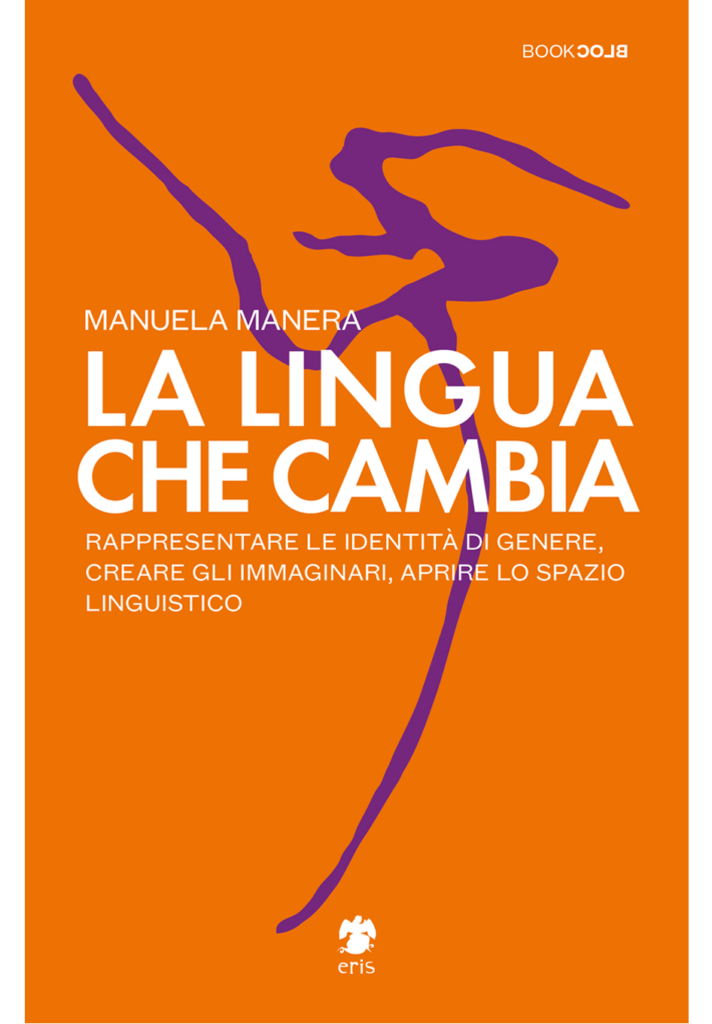
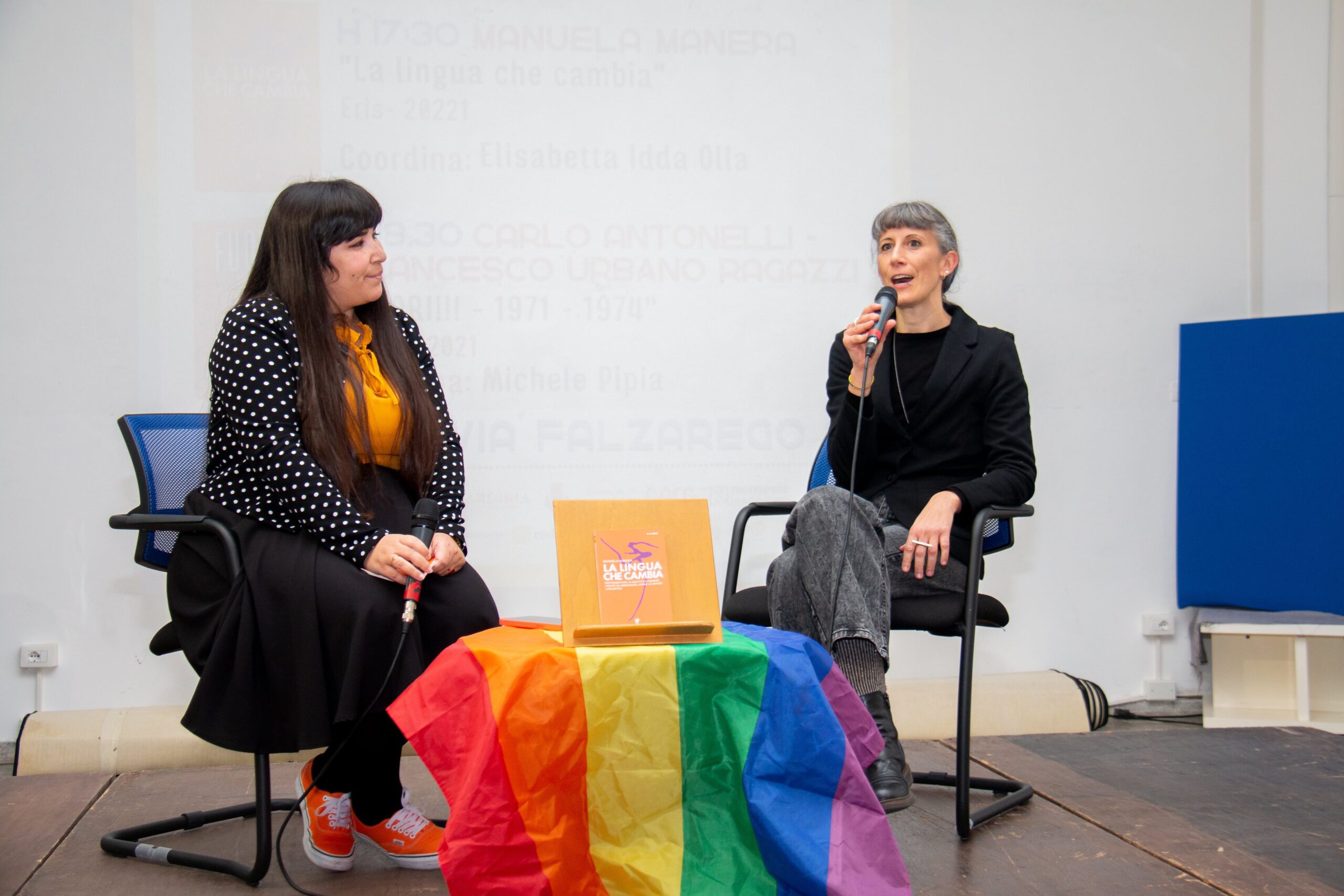
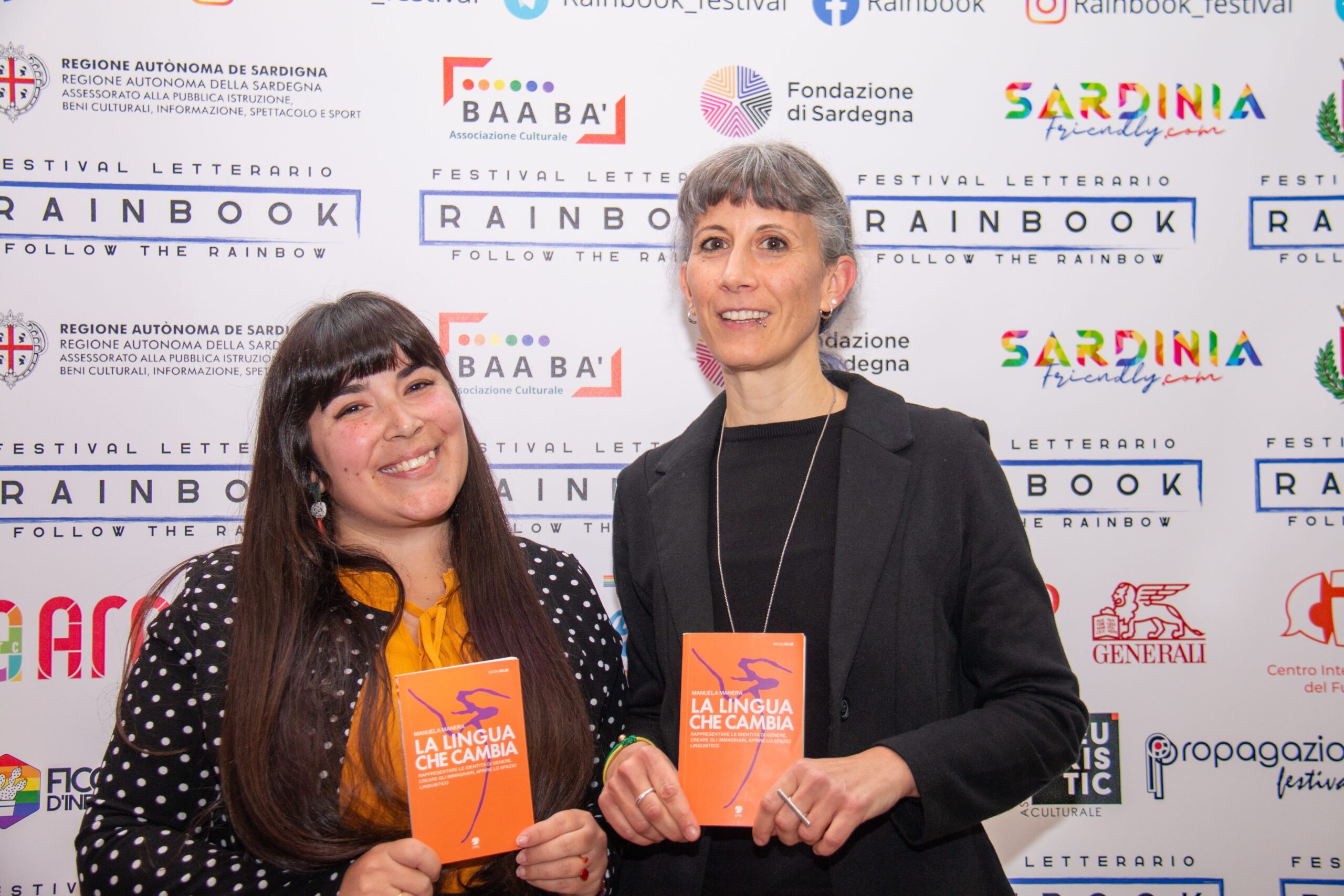
In recent years, the discussion about language and the use of asterisks and schwa has gained a prominent place in the collective debate. It is easy to turn one’s nose up at an asterisk or schwa and say that “the problems are quite different” and there must be a reason why “it has always been said that way.” This is a view of language as something closed, defined, immutable, in which the masculine is always universal, the feminine subordinate, and anyone who steps outside the boundaries of this binarism can never be present in discourse and narratives. But this is not the case: language is a tool that grows and changes according to the needs of the community that uses it. Reality creates language, but language also creates reality. And language is also a space for each person to be in. In the linguistic space that we inhabit and in which we move, who is granted the right to linguistic citizenship? Which subjectivities can self-determine and which are discriminated against and marginalized, the object of others’ narratives, hindered from speaking authentically? In this book, Manuela Manera reflects on the importance of using language so that each person can feel included in discourses and narratives and what strategies are possible to represent all subjectivities through language. (source IBS.co.uk)
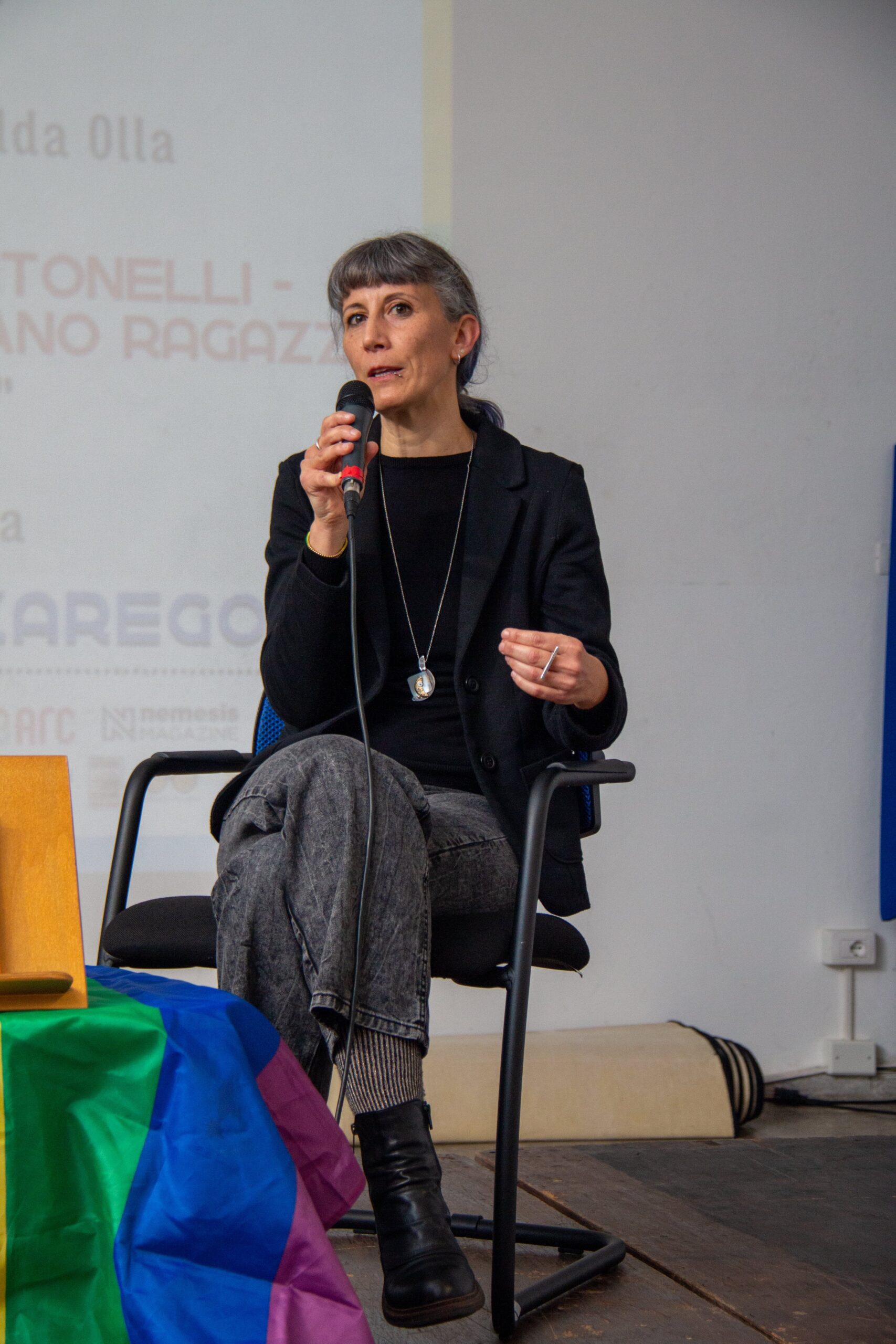
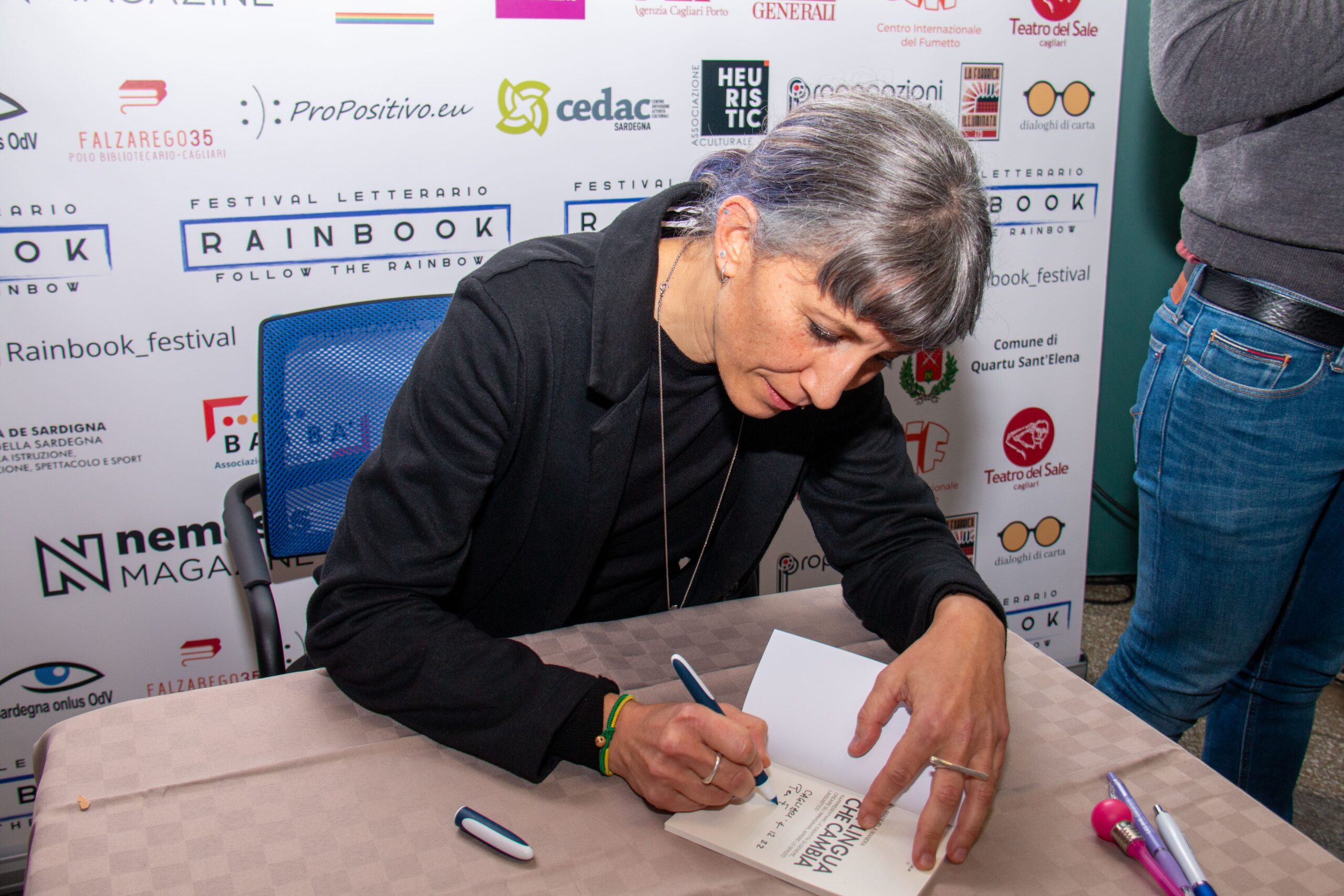
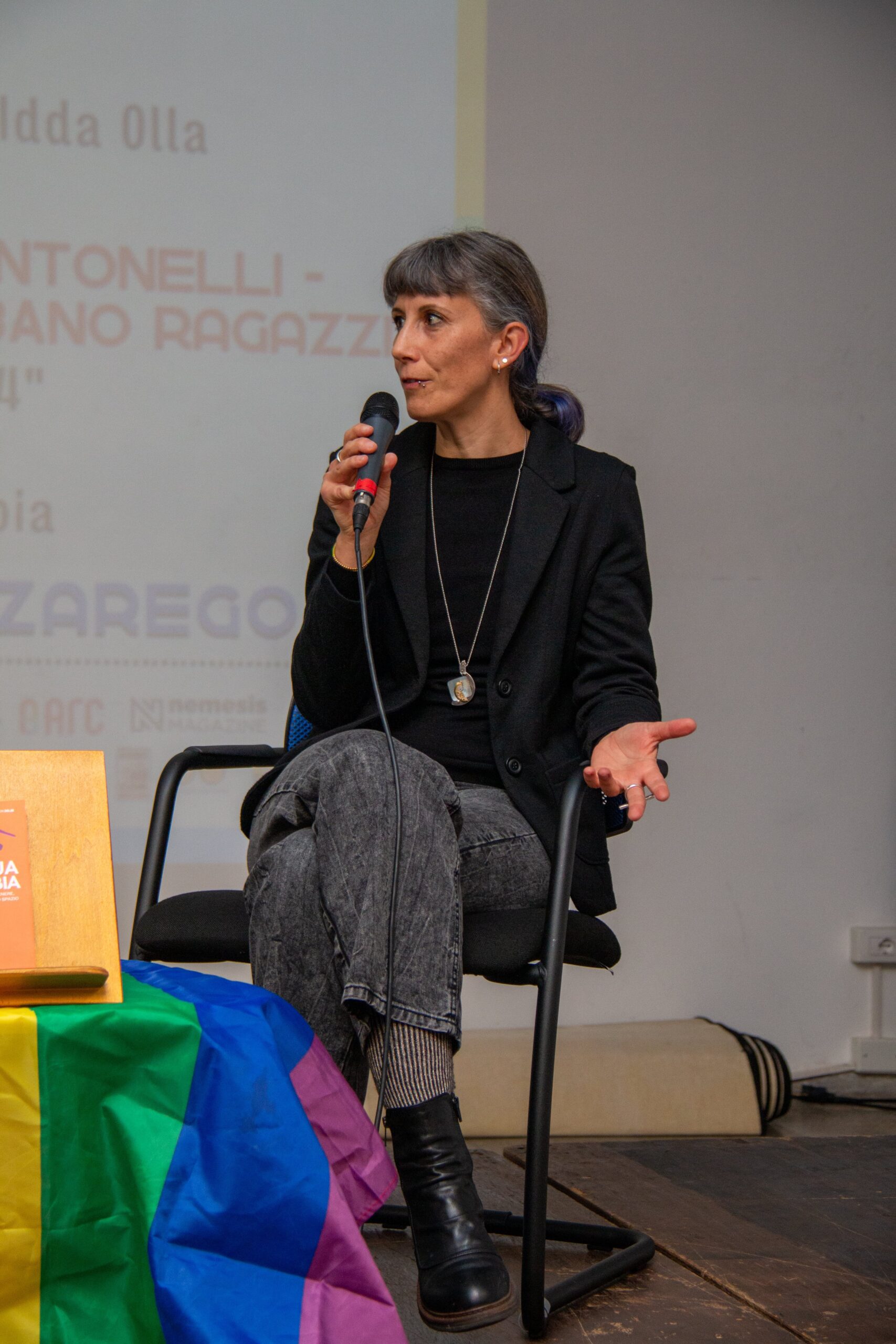
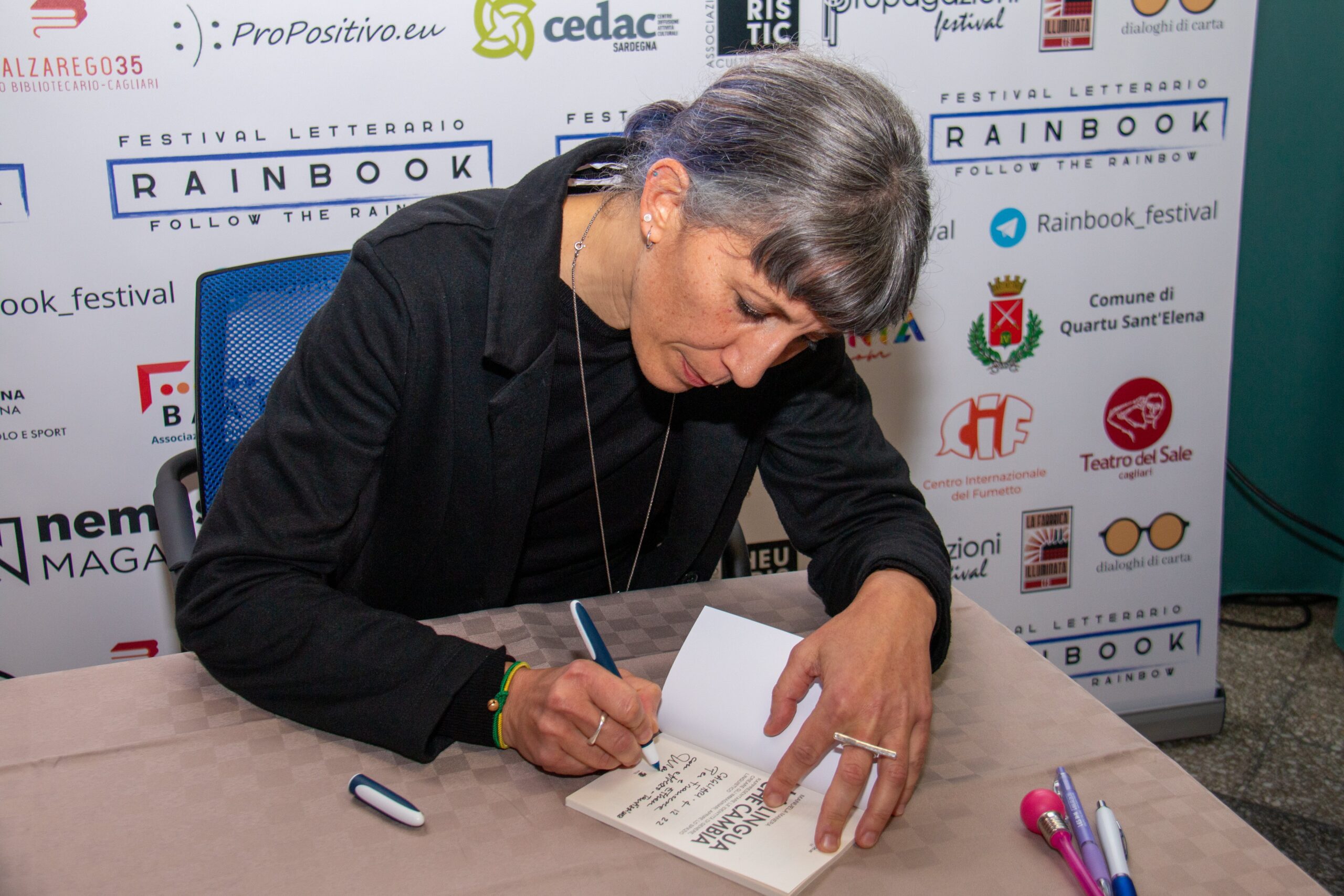
Manuela Manera, a freelance researcher in gender studies and descriptive linguist, in her book “The Changing Language – Representing Gender Identities, Creating Imaginaries, Opening Linguistic Space” provides, as is proper for the bookblock series published by Eris, a real tool for self-defense